
Small Swimmers,
Big Confidence.
Upcoming ISR Training Sessions
January 2027
Always putting safety first. Customized, safe and effective, one-on-one ISR lessons.
I will be teaching under the ISR Flex Plan which means four days a week instead of the original requirements for five days a week.
Research and experience show that consistency is of the highest importance when learning new skills.
With a steady 4 day schedule that makes it easier for your family to commit to lessons, your child will still build skills effectively and retain them, especially when lessons are uninterrupted by cancellations or scheduling fatigue.
❊ ISR Lessons
What Will They Learn?
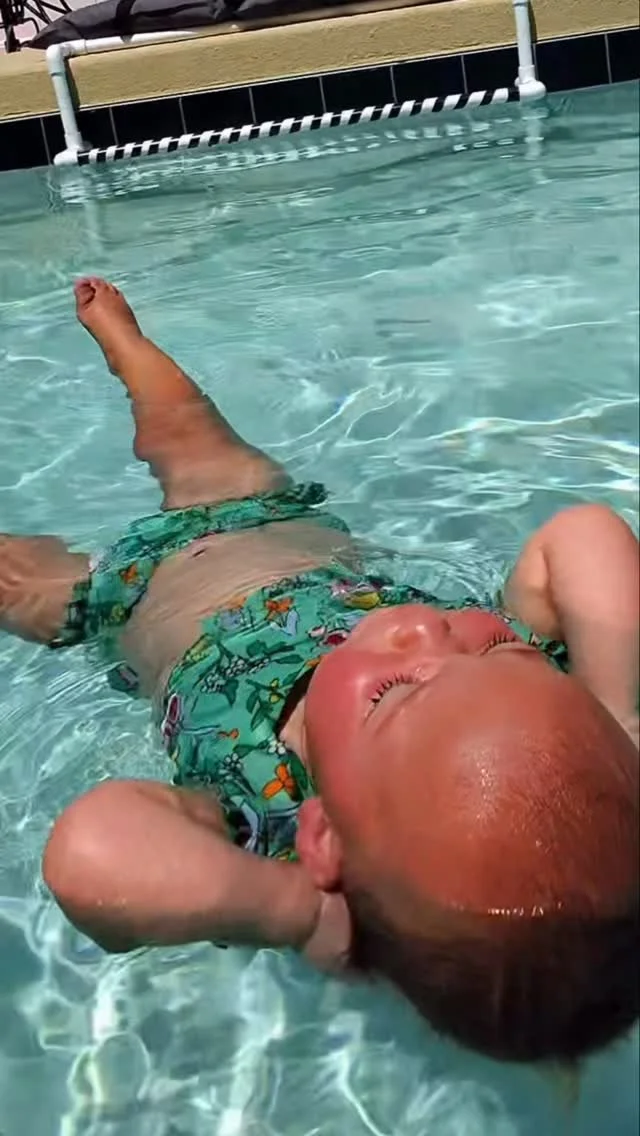
Rollback to Float
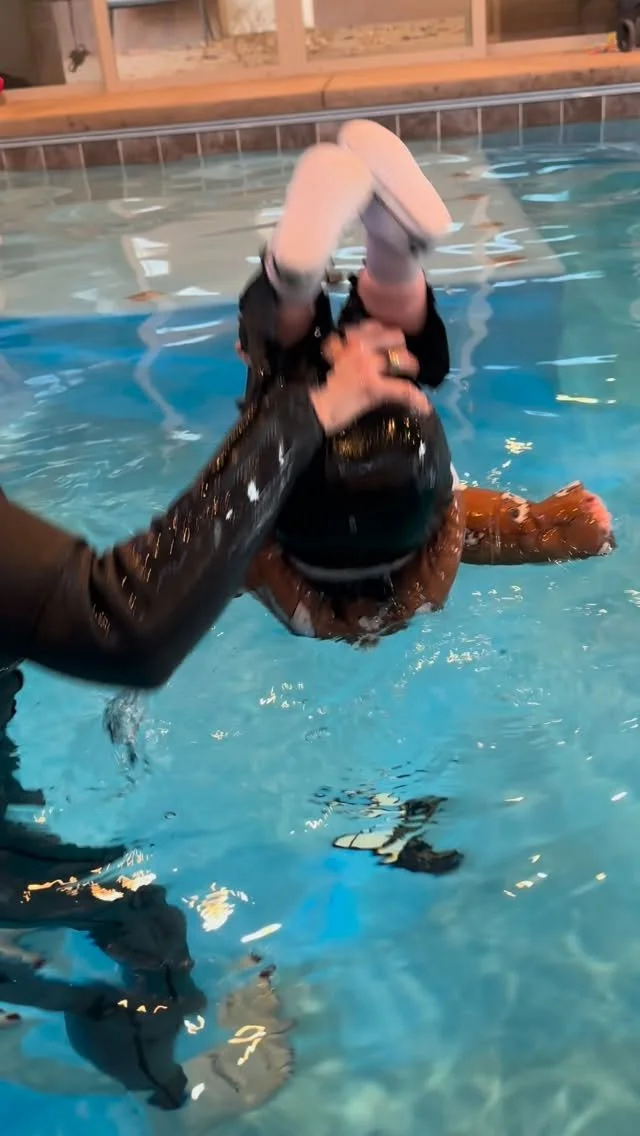
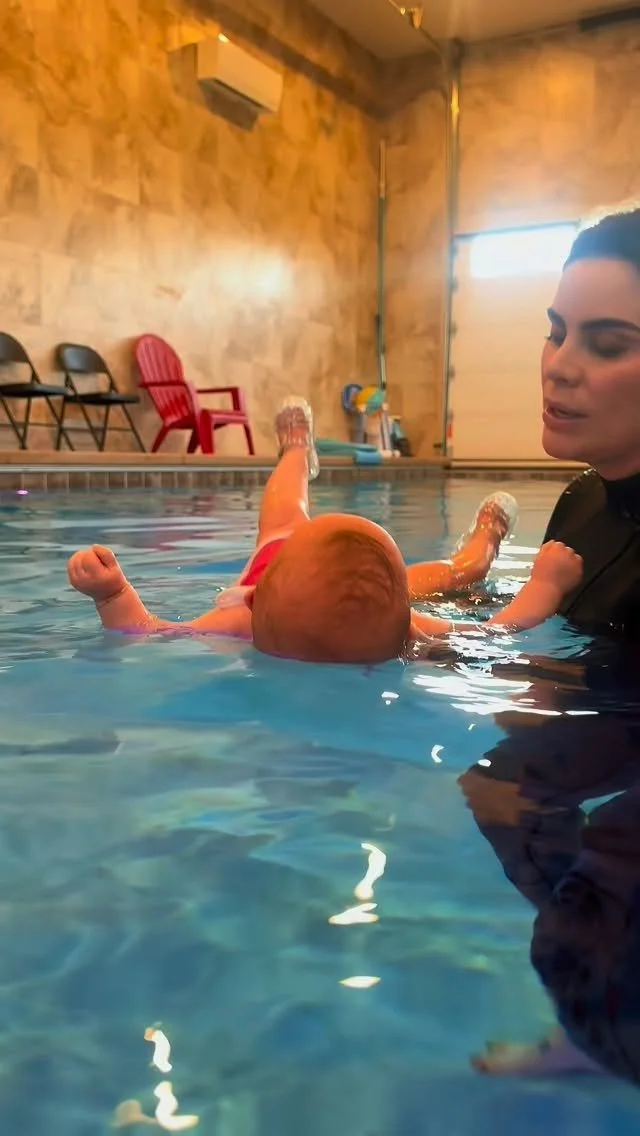
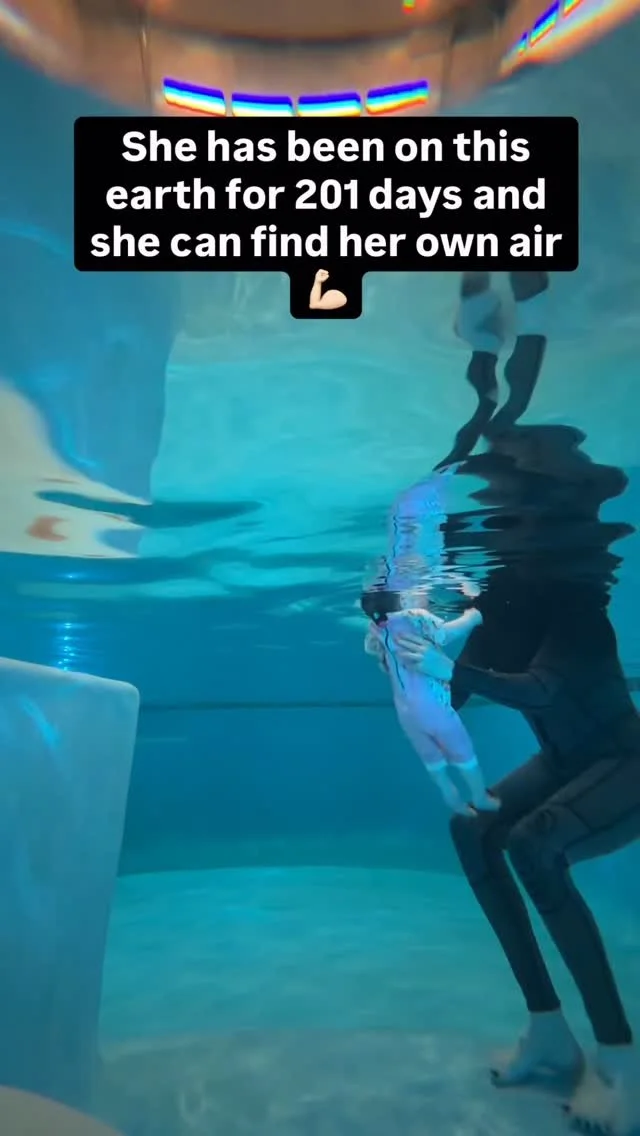
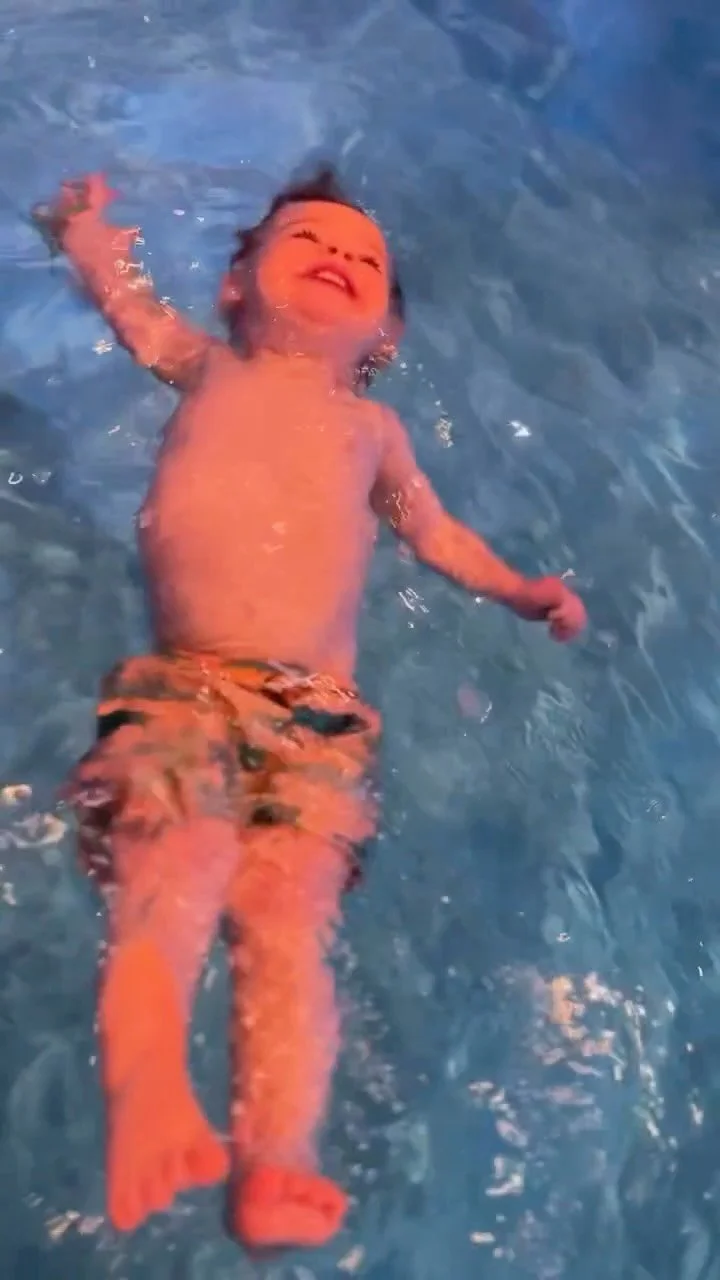
All students, even those as young as 6 months old, learn the fundamental ISR skill of rolling onto their backs to float, rest, and breathe. Infants and toddlers who are not yet walking well will learn to maintain this position until help can reach them, and it's just as important for our older students as they incorporate more swimming skills.
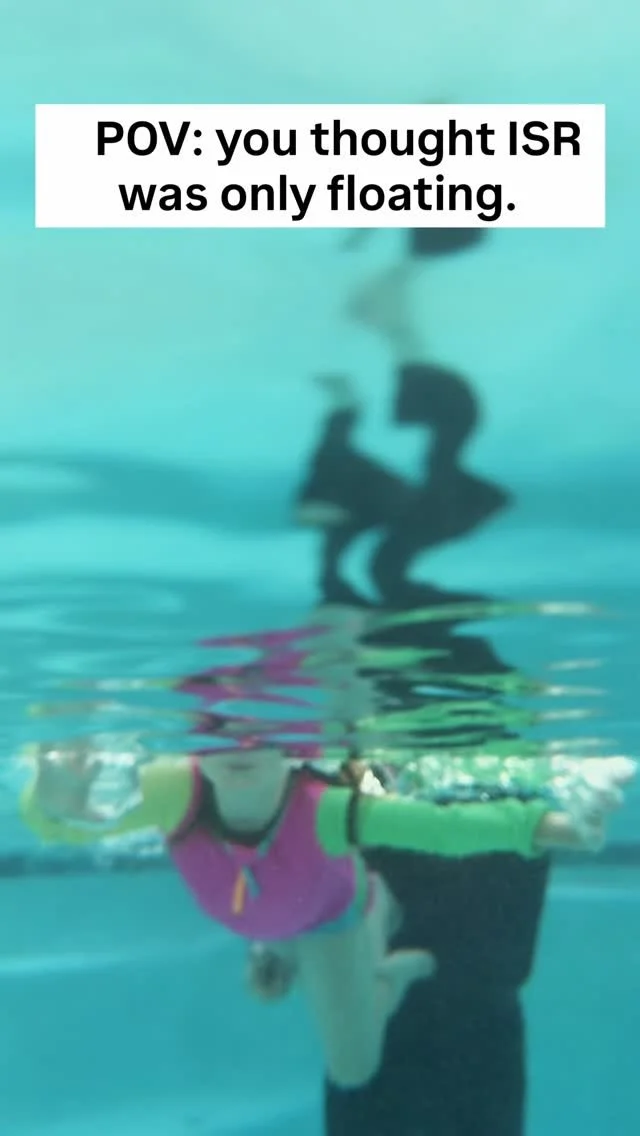
Swim Float Swim
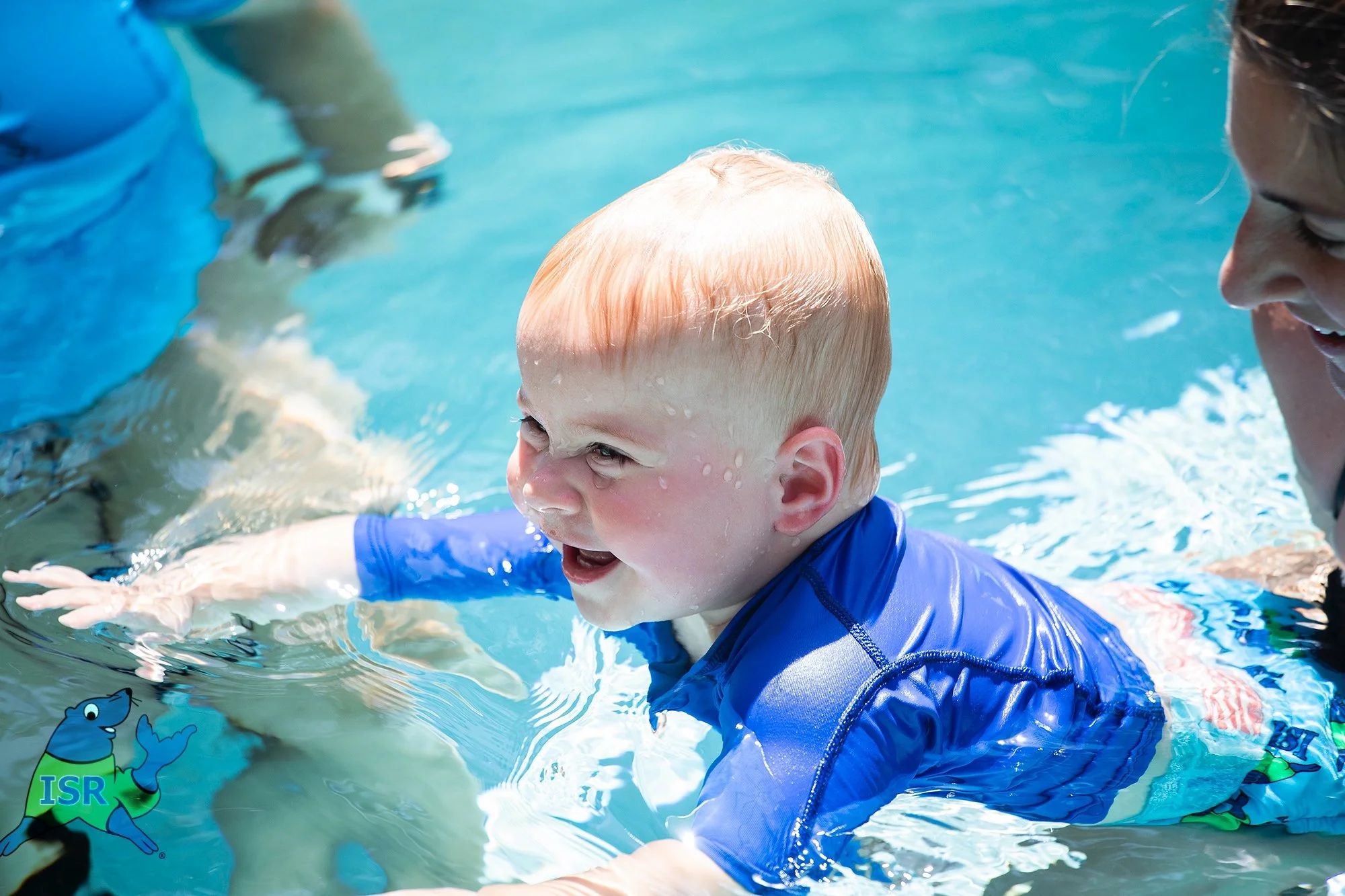
As toddlers and young children gain more physical skills on land, they are ready to learn more skills in the water as well. ISR teaches children to swim a short distance, rotate onto their back to a floating position, and then turn over to continue the sequence of swimming and floating until they can reach safety at the steps, side of the pool, or shoreline.
❊ Testimonials
Loved by Swimmers, Trusted by Parents.
But don’t take my word for it, here are some things people have to say about Swimbies ISR.
“We had such a wonderful experience with Ms. Amy! She was incredibly patient, encouraging, and knowledgeable throughout every lesson. Ms. Amy made learning to swim-float-swim fun while also building confidence and emphasizing water safety.
My children were motivated to work with her every day and looked forward to their lessons. My kids each had different strengths and skills they needed to work on and Ms. Amy was able to differentiate during their individual lessons. My kids’ swimming abilities and confidence in the water improved so quickly which was vital not only for us as parents but for their grandparents to see as well since we are usually around water year round. These ISR trainings gave our whole family water confidence.
I highly recommend Ms. Amy to anyone looking for a caring, professional, and effective swim teacher. We are so grateful for the positive impact she’s had and couldn’t be happier with our experience!”
— Cierra L.
“
❊ FAQs
You’ve got questions,
we’ve got answers.
-
Unlike traditional swim lessons that emphasize comfort in the water and basic swim strokes, ISR (Infant Swimming Resource) lessons are centered on survival. The goal is to equip infants and young children with the skills needed to save themselves if they were to unexpectedly fall into water. Lessons are always one-on-one and tailored to each child’s specific needs, abilities, and pace.
Because ISR puts self-rescue first—such as learning to roll to a float or swim-float-swim sequence—students often build confidence and competence in the water more quickly. While traditional lessons are beneficial for developing technique and endurance, ISR focuses on what matters most first: safety.
-
ISR lessons are short and focused—each session lasts just 10 minutes and takes place four days a week (Monday through Thursday). The initial program typically spans about seven weeks, though we allow up to nine weeks to accommodate for any makeup days if needed.
Because ISR is a specialized method that builds muscle memory and survival skills, daily consistency is vital. Skipping lessons can slow progress and affect your child’s ability to retain what they’ve learned. If you’re unable to commit to attending consistently, it’s best to wait until your schedule allows for the full session.
-
The short answer: safety and effectiveness.
ISR lessons are intentionally brief to protect your child’s well-being. These sessions are physically and mentally challenging, and while 10 minutes might not sound like much, it’s the perfect amount for their small but mighty bodies. We keep lessons short to avoid fatigue and ensure your child is ready to come back the next day ready to learn.
Just as important—this time frame is when young children learn best. Studies show that children in this age group retain new skills most effectively within the first 10 minutes of focused instruction. By keeping lessons short, consistent, and individualized, we help your child make the most progress in the safest way possible.
-
We know committing to lessons four days a week might feel like a lot—but it’s one of the most important parts of the ISR approach.
ISR Self-Rescue Skills are developed through consistent, repetitive practice—just like learning to crawl, walk, or ride a bike. Imagine trying to master those milestones with only one session a week! Daily (Monday through Thursday) lessons allow your child to build strong muscle memory, which is what helps them respond instinctively in the water during an emergency.
The consistency of four focused sessions each week ensures your child is progressing steadily, retaining what they’ve learned, and gaining confidence with every lesson.
-
ISR Self-Rescue skills, like walking or riding a bike, are stored in muscle memory. They don’t simply vanish—but without practice, they can get a little rusty over time, especially as your child grows and their body changes.
That’s why we recommend maintenance or refresher lessons. These brief check-ins help keep your child’s skills sharp and ready, particularly before vacations, pool season, or developmental milestones. Scheduling lessons during the “off-season” is a great way to stay ahead and ensure your child remains confident and capable in the water.
-
Short answer: No.
In 2018, the American College of Emergency Physicians clarified that terms like dry drowning, secondary drowning, and near drowning are outdated and not medically recognized. Today, drowning is classified simply as fatal, nonfatal with injury, or nonfatal without injury.
Although these older terms are still used by the media, they can be misleading and cause unnecessary fear. Drowning doesn’t occur days after being in the water, and there is no condition where someone suddenly “drowns” after appearing fine.
If your child swallows water while playing, don’t worry. The body has natural protective reflexes—like coughing or gagging—that help keep water out of the lungs. It’s a normal part of learning and play.
-
Yes—absolutely.
Every ISR student is required to complete a comprehensive online medical history form, which is reviewed by our team of medical professionals before lessons begin. This ensures we have a full understanding of each child’s needs before getting in the water.
If a child has a medical condition, behavioral diagnosis, or unique circumstance, an ISR nurse will typically reach out to the parent to gather more information. From there, they provide tailored safety and instructional guidelines to help the instructor create a learning experience that is both effective and supportive.
ISR is committed to meeting each child where they are—and helping them thrive.
-
ISR lessons are an investment in your child’s safety—because the goal isn’t just comfort in the water, it’s survival.
Here’s why the cost is higher—and why it’s worth it:
1. Your child will learn life-saving skills.
ISR has been researched and refined for over 55 years, and it’s nationally recognized as the safest swim program for infants and young children. The focus is not on play or water comfort, but on teaching your child how to survive an aquatic emergency.
2. The skills last a lifetime.
Once your child learns ISR Self-Rescue skills, they’ll retain them with occasional refreshers—unlike traditional lessons, which often require years of continuous enrollment to maintain proficiency.
3. Instructors are highly trained and certified.
ISR instructors complete over 60 hours of in-water training with real students under the supervision of a Master Instructor, plus academic coursework in areas like child development, anatomy, and behavioral science. We’re also certified in CPR and First Aid and must recertify annually to uphold the highest safety standards.
While ISR lessons may have a higher upfront cost, they offer far greater long-term value—giving your child life-saving skills and giving you lasting peace of mind.
-
It’s very common for children to fuss during their first few ISR lessons. They’re in a new environment, learning a completely unfamiliar skill, and being guided by someone they don’t know yet. That can feel overwhelming—but it’s also part of the process.
Learning to self-rescue in the water is one of the most important and complex skills your child will ever develop—right up there with learning to walk or talk. It takes focus, repetition, and trust. Just like those early milestones, it can come with frustration before confidence begins to grow.
With consistency, patience, and encouragement, most children begin to settle in and feel more comfortable as they start to realize what they’re capable of.
-
Most likely, yes—and for good reason.
Children grow and develop rapidly, especially in the first 4–5 years of life. As their bodies and brains change, it’s important that their water survival skills adapt with them. That’s where refresher lessons come in.
The need for additional lessons varies by child and depends on factors like age, growth rate, confidence, and how recently they’ve practiced their ISR skills. Refresher sessions help your child adjust their learned skills to their current size, strength, and developmental stage. This keeps movements efficient, strengthens muscle memory, and builds self-confidence in the water.
Your instructor will guide you on the best timing and frequency for refresher lessons based on your child’s individual needs—especially if they’ve had a long break between seasons or haven’t had the chance to swim regularly.
-
Great question—and an important part of ISR training.
Statistics show that 86% of children who fall into water do so fully clothed. That’s why we prepare our students for real-life scenarios by having them practice their skills in clothing during the final phase of lessons.
Wearing clothes in the water feels very different than swimming in a swimsuit. The added weight, drag, and sensory input can be surprising, even scary, if a child has never experienced it before. By practicing in clothes, your child becomes familiar with those sensations in a controlled, safe environment—making them less likely to panic and more able to focus on using their self-rescue skills if they ever need them in a real emergency.
-
ISR parents choose lessons because they recognize the importance of giving their children the tools to be safer in and around water. They understand that even the most attentive supervision can’t prevent every accident—and they want their child to be prepared.
Self-Rescue skills empower young children with the ability to help themselves in an aquatic emergency. Rather than relying solely on floaties or being held, ISR teaches children what to do if they were ever to find themselves alone in the water.
Research shows that the early years are a critical time for learning motor skills—including swimming. In fact, studies and drowning statistics consistently support early aquatic education as one of the best ways to reduce risk and build lifelong confidence in the water.
ISR is not just swim lessons—it’s safety, confidence, and peace of mind.
-
Yes—absolutely. Safety is at the heart of everything we do at ISR.
Our lessons are thoughtfully designed to prioritize your child’s health and well-being. Before getting started, each student’s medical and developmental history is thoroughly reviewed by ISR’s team of healthcare professionals. Throughout the program, your child is closely monitored, and all information is kept strictly confidential.
ISR instructors undergo the most intensive training in the industry—more than 60 hours of in-water instruction, academic coursework, and evaluations under the supervision of a Master Instructor. We’re also required to recertify each year through continuing education and quality assurance protocols to maintain the highest safety standards.
But ISR doesn’t stop at the water’s edge—we believe in educating families, too. As part of your child’s lessons, you’ll receive access to the Parent Resource Guide, created by ISR founders Dr. Harvey Barnett and JoAnn Barnett, which provides essential guidance on aquatic safety for your whole family.
With over 55 years of research and results, ISR is not only the most effective survival swim program—it’s the safest choice for infants and young children.
Have more questions?
Water Safety
Creating multiple layers of protection is key to preventing drowning. Here are five essential water safety strategies every family should know:
1. Active Supervision
There is no substitute for undistracted, adult supervision around water. Stay within arm’s reach of young children and avoid distractions like phones. If your child is ever missing, check the water first.
2. Pool Fences
Install a permanent, four-sided fence that completely separates the pool from the house and yard. It should be at least 4 feet tall, self-closing, and self-latching—ideally placed 3–5 feet from the pool edge.
3. Alarms
Equip all doors and windows that lead to the pool area with alarms. Consider adding surface wave or submersion alarms in the pool for added security.
4. ISR Self-Rescue® Lessons
A moment of inattention doesn’t have to end in tragedy. ISR’s survival swimming lessons teach children vital skills to help them save themselves if they were to accidentally fall into water.
5. CPR Certification
Be prepared to act in an emergency. Parents, caregivers, and anyone responsible for watching children should learn infant, child, and adult CPR—and keep those skills up to date with regular refreshers.
Looking for more resources?
Download ISR’s Family Aquatic Safety list to use as a helpful checklist in your home and visit infantswim.com for more water safety resources.

❊ Important Reminder ❊
Even if your child has had swimming lessons, no child is drown-proof, and there is absolutely no substitute for adult supervision.

Follow Swimbies on Instagram
•
Follow Swimbies on Instagram •